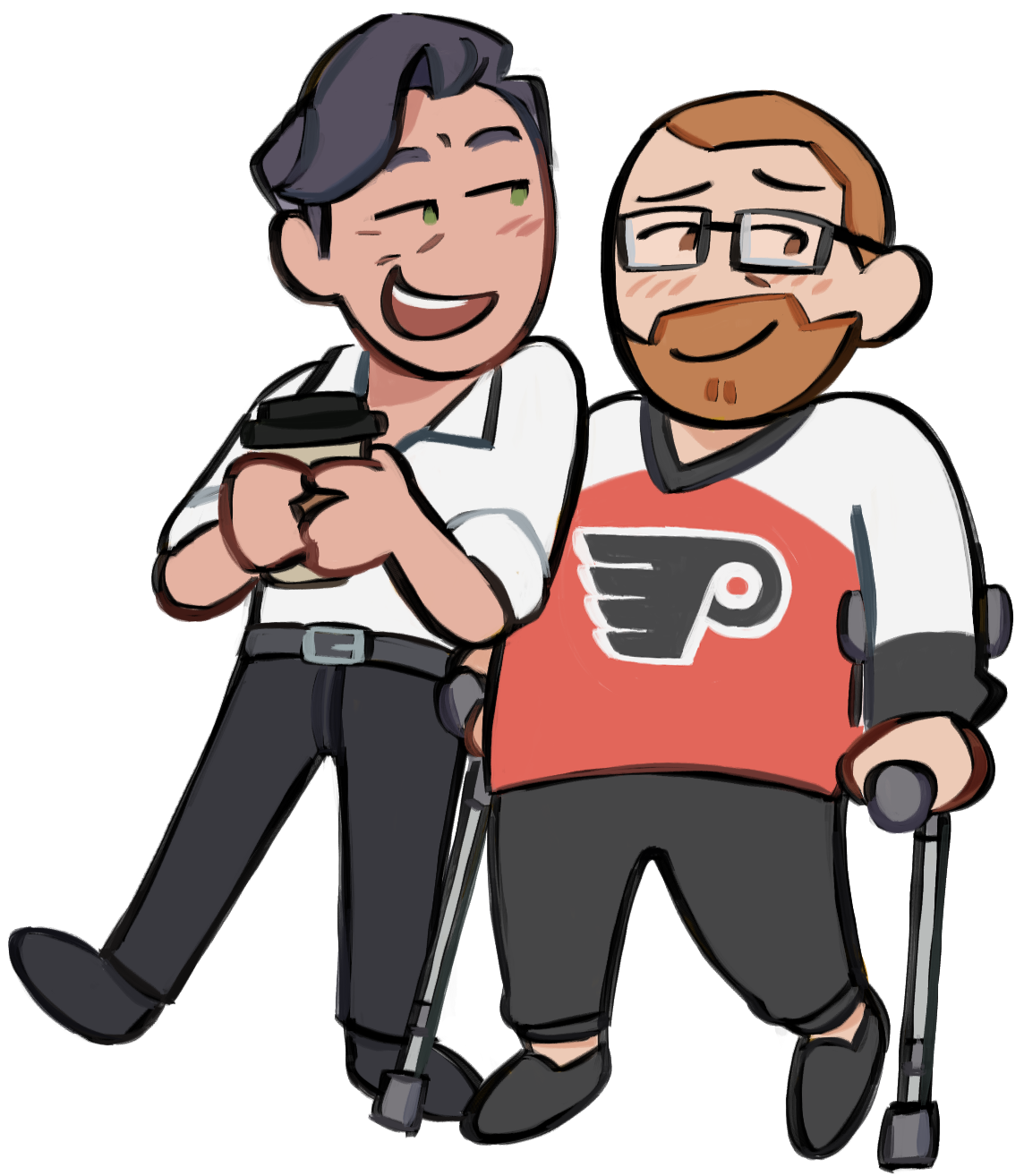
Comprehensive SCI information on Pete
Injury Level
L1 incomplete paraplegia ASIA D
Definitions
Incomplete SCI - Partial loss of function, ability to feel or move parts of the body below injury site, with dampened sensation.
Spastic paraplegia - Muscle stiffness, uncontrollable tremors/spasms, fatigue.
Partial paraplegia - Some movement or sensation in affected muscles or muscle groups. While the function of a muscle or a group of muscles is affected to some degree, there is not a total loss of function.
Spastic (reflexive) bowel - This
is when you can’t voluntarily relax the anal sphincter. You may have constipation.
In reflex bowel problems,
the reflex that triggers a bowel movement still works.

ASIA Impairment scale -
-
D = Incomplete: Motor function is preserved below the neurologic level, and most key muscles below the neurologic level have a muscle grade that is greater than or equal to 3.
Impact on Daily Life
L1 level injuries tend to cause symptoms like weakness in the hips and legs.
Pete has sensation in most areas below his injury site. Sensation is dampened in all areas, and lessens further down the leg. The backs of his thighs have very little sensation. Pete does not have total motor control of the muscles in his legs, but has the vast majority. On "bad days", motor and sensory function may lessen.
He can use crutches to walk or his wheelchair. It's an even 50/50 split on how often each are used. Any larger distance, mostly outside of the home, requires a wheelchair.
Pete experiences numbness or tingling in his feet (sciatica), and uses compression socks.
Bowel and bladder control are impacted.
Crutches
Forearm crutches are devices that give support to the forearms to help a person stand and walk. Forearm crutches can be beneficial because they distribute
weight more evenly across the forearms and upper body than underarm
crutches.
Benefits of forearm crutches:
- Improved comfort:
Forearm crutches have a larger and more padded area to support your
forearms, which reduces pressure on your underarms and hands. This makes
them more comfortable to use for longer periods of time.
- Increased stability: Forearm crutches have a wider base of support, which provides better stability and balance. This can be especially important for people who have difficulty with balance or coordination.
- Reduced risk of injury: Unlike underarm crutches, which can put pressure on your underarms and cause nerve damage, forearm crutches distribute the weight of your body more evenly across your forearms and upper body. This reduces the risk of injury and can be especially beneficial for people with chronic conditions.
- Improved posture: Forearm crutches help maintain a more upright posture, which can improve breathing, reduce back pain, and improve overall health.
 |
| An example of stance/gait |
Incontinence
Pete uses a condom catheter and incontinence briefs. Pete will keep a standard length catheter tube on during most of the day. For lounging or sleeping, he switches out to an extension tube that hangs at his bedside. This allows him to sleep in any position.

He owns sweatpants that contain a zipper or buttons on the side to allow the drainage tube out.
A bowel program includes four parts: timing, diet (including food and
fluids), medicines, and techniques to help with bowel movements.
Bowel program (Daily):
- Wash hands thoroughly.
- Prepare your supplies.
- Insert stimulant. Using gloved hand, place the lubricated suppository high into the rectum, leaving the suppository touching the wall of the rectum.
- Digital rectal stimulation. This process promotes peristalsis and the relaxation of the sphincter muscle. A good time to begin digital rectal stimulation is once the stimulant starts to act. The suppository will probably start to act within 20 to 30 minutes after insertion.
- Insert a gloved, lubricated finger into the rectum and gently start moving your finger in a circular pattern for 20 to 30 seconds, keeping the finger in contact with the rectal wall. Repeat the process every 5 to 10 minutes until the bowel movement is complete.
- Clean up. Wash and dry the anal area.
Impact on Sex Life
Pete experiences sexual dysfunction in the form of erectile dysfunction, dampened sensation, and inability to achieve orgasm and/or ejaculation.
Use of erectile dysfunction medication (Viagra), rings, vibrating toys helps achieve erection and/or orgasm. Pete settles for pleasant minor pelvic floor contractions.
Pete's sex life mostly consists of mutual masturbation. Receiving penetrative sex is uncommon. It also needs to be scheduled to work around his bowel program.
Pete's neck, shoulders and inner thighs, have become erogenous zones.
Rehab/PT & Muscle Atrophy
Rehabilitation is made up of three main parts: stretching, passive range of motion exercises, and strengthening exercises.
Stretching - Many individuals with paraplegia experience involuntary muscle contractions. Stretching the legs can help lengthen spastic muscles and minimize pain caused by additional pressure on the joints.
Passive range of motion exercises - Practicing passive range of motion exercises will help prevent joint
stiffness, promote circulation, and stimulate the spinal cord.
Strengthening exercises - They help maintain muscle mass and improve function.
Pete went through some time in inpatient rehabilitation before moving into an outpatient physical therapy that he still follows up on weekly. As he aged, he began going less due to financial strain and experienced some atrophy of his legs. His mother helped him to continue doing exercises at home in attempt to compensate.
These days, Pete is working out four days a week. An hour at physical therapy, twice a week, and at home two days. He aims for 150 minutes of moderate-intensity aerobic exercise every week and
strength training two days a week. This has helped him improve mobility and increase the muscle mass in his legs, and has reversed the atrophy he was experiencing. He also stretches every morning and before bed.
Muscle Spasms
The symptoms of spasticity, and how severe it is, vary from person to person. Symptoms include:
- Sudden, uncontrolled flexing (bending) or extending (straightening) of a limb.
- Uncontrolled jerking of groups of muscles. These may include muscles in the trunk (chest, back, and abdomen), the bladder, or the rectum.
- Reflexes that are hyperactive or overactive, such as a muscle spasm when you are lightly touched.
- Stiff or tight muscles at rest, which makes it hard to relax or stretch your muscles.
- Tight muscles during activity, which makes it hard for you to control your movement.
Source: (x)
For Pete, these spasms range from uncomfortable to sometimes painful. Majority of the time, they are an inconvenience and do not cause much pain. They also help retain muscle mass. Spasms typically happen when waking in the morning, lying down for bed, and when staying stationary for prolonged periods.